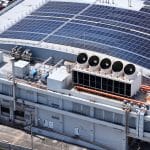
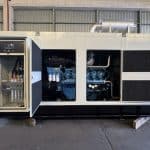
Generator Installation of a fixed diesel generator for sale is not a DIY task; it is a highly specialised field. Incorrect installation is not only inefficient but also illegal, extremely dangerous, and voids your insurance policy. To ensure your investment in backup power South Africa is safe and fully compliant, the entire process must adhere to stringent national safety standards.
Here is Generator King’s essential guide to the generator installation process, focusing on the critical compliance, electrical, and legal steps required.
Mandatory Expertise and Compliance
Is Professional Installation Mandatory?
Yes, absolutely. For any permanent or standby generator directly connected to your premises’ electrical system, the installation must be undertaken by a suitably qualified and registered electrician. This requirement is non-negotiable and is the cornerstone of the South African regulatory framework.
-
Legal Cornerstone: All electrical connections must comply with the latest edition of the South African National Standard (SANS 10142-1), also known as The Wiring Code.
-
The Specialisation: Generator installation requires expertise beyond general electrical wiring. The installer must be familiar with the SANS 8528 series (governing generator safety) and be able to properly integrate the generator’s sophisticated systems with the building’s infrastructure.
The Correction on African Regulations
While Generator King supports clients across Africa, for our primary market, all installations must adhere to the South African SANS regulations. It is the client’s responsibility to ensure that, for installations outside of South Africa, the local regulations (be they Zambian, Namibian, or other) are followed, ideally by a specialised electrician familiar with the generator’s internal systems.
Isolation: The Changeover Switch (Safety First)
The single most critical piece of equipment in the installation process is the Automatic Transfer Switch (ATS) or manual changeover switch.
-
Preventing Back-Feeding: The changeover switch is mandatory because it ensures the generator is electrically isolated from the main Eskom supply. Back-feeding—sending power back into the grid—is illegal, highly dangerous, and poses a fatal risk to municipal repair personnel.
-
ATS Automation: For SDEC and Baudouin standby units, an ATS provides seamless transition during load shedding. It automatically senses a power failure, starts the generator, and connects the load once the generator has stabilised. It then reverses the process when the mains power returns.
The Critical Technical Checks
The qualified electrician performing the installation must meticulously execute several crucial technical checks to ensure safety and prevent damage to your equipment.
1. Conductor Sizing and Selection
-
Copper Cable: The copper cable (conductor) connecting the generator to the DB board must be thick enough to handle the calculated current load without overheating.
-
SANS Requirement: Incorrect conductor sizing violates SANS 10142-1 and poses a severe fire risk. The electrician must organise the installation to minimize the cable run length, as this reduces both cost and potential voltage drop.
2. Earthing and Bonding
-
Protection: Correct earthing and bonding procedures are paramount for protecting people and equipment from electrical faults, surges, and lightning.
-
Compliance: The installation’s earthing system must comply with SANS standards to ensure any fault current is safely directed to the ground, preventing electric shock.
3. Phase Rotation Check (Three-Phase Systems)
-
Why it Matters: In three-phase systems, the order in which the phases are connected determines the rotation direction of electric motors (e.g., pumps, compressors, and industrial machinery).
-
The Danger: If the generator’s phase rotation is reversed from the mains supply, all connected motors will run backwards. This can lead to catastrophic mechanical failure, motor burnout, and significant damage to industrial plant machinery. The electrician must use a phase rotation meter to verify and correct the sequence during commissioning.
The Final Legal Step – The Certificate of Compliance (COC)
Once the physical and electrical installation is complete, the final, most crucial step is the issuing of the COC.
-
COC Definition: The Certificate of Electrical Compliance is a declaration by the registered person (electrician) that the installation has been completed in accordance with all legal requirements, including the Occupational Health and Safety Act and SANS 10142-1.
-
Insurance Validity: Without a valid COC for the generator installation, your insurance policy is void. Should a fire, shock, or accident occur that can be attributed to the generator connection, your claim will be rejected.
-
The Responsibility: While the electrician issues the COC, the ultimate responsibility for ensuring the installation is compliant and safe rests with the end-user (Generator King client).
Secure Your Compliance with Generator King’s Network
Installing a generator is a complex process demanding technical specialisation and absolute adherence to South African regulations. Do not compromise on safety or compliance.
Generator King is a premium supplier and manufacturer of world-class SDEC, FAW and Baudouin diesel generators for sale and does not perform direct electrical installations. Our expertise is in supplying, advising on compliance, and guaranteeing product quality.
To ensure your installation is safe, legal, and warranty-protected, we work closely with a national network of qualified, independent electricians who specialise in generator integration and SANS 10142-1 compliance.
Don’t leave compliance to chance. Contact Generator King today for an expert consultation on your compliance requirements and to be referred to a trusted, qualified installer in your region who can issue your essential Certificate of Compliance (COC).
By the Generator King Technical Team